

What To Pack For Your Safari
The below information is a general summary of what you can expect for the entire Southern Africa region. It does not include specific areas, rainfall season etc. This can be supplied on a one-on-one basis once you have booked your safari with us.
Consider the time of year you are visiting
Before we even start looking at your packing list, the most important is to ascertain what time of the year you will be going on safari. South Africa and Botswana normally have mild winter daytime temperature but chilly morning, so a warm jacket is always advised. Similarly, summer temperatures can be very warm to hot where cool clothing would be essential. Let’s have a look at various items you should consider when packing for your safari.
Going on a Safari in Warmer Months (Nov - March)
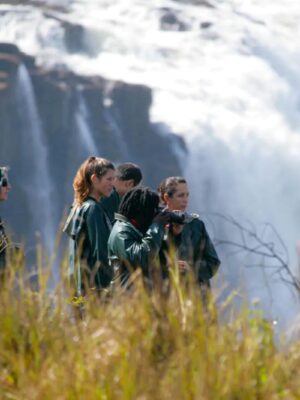
Going on a safari in the warmer months means you need to pack clothes which will keep you cool. To avoid burning in the sun, we suggest that you refrain from sleeveless shirts. Light cotton fabrics or moisture removing textiles are recommended and avoid dark colours that can attract the heat of the sun. Remember to keep to natural or neutral colours, bright colour clothing is not advised.
Open shoes are most welcome to keep cool and ventilated. If you have a walking safari or bush walk as part of your package, be sure to read further below on specific suggestions.
All our lodges have swimming pools, unless specifically advised otherwise, so be sure to bring swimwear along. While towels are provided in the rooms, we ask that you bring you own towels for swimming purposes.
A proper waterproof and sweat-resistant sunscreen is strongly advised. Be sure to bring enough for your entire trip since sunscreen needs to be applied regularly to be effective. We have found that the spray-type sunscreen is most convenient while out and about, since it is quick and easy to use.
A hat is also highly advised to protect your face from the sun. If possible, consider a wide-rimmed hat that can cover your ears and back of the neck in shade as well.
Going on a Safari in Colder Months (late May - Aug)
In the colder months, the morning safaris can be particularly chilly, so be sure to pack a wind-resistant jacket, a “beanie” and some gloves to keep warm. Blankets are provided on the game drives to keep your legs warm. As the day warms up, the warm jacket might get a bit too hot, yet you might need a light top/jersey. So be sure to dressed in a layered fashion to easily remove warmer clothing, or put it back on, as the temperatures increase or decrease.
All rooms with have duvets and blankets to stay warm at night, but should you get cold very easily you are most welcome to speak to reception to request and extra blanket. Most of our lodge rooms or safari-tented rooms all have air-conditioning and heating (unless otherwise stated), so that can be used to keep the bite of the cold at bay as well.
Although wintertime is colder in temperature, the sun’s rays are still very potent out in the bush. We therefore still recommend a proper sunscreen throughout the day, even though it will need less regularly application. The same applies for a hat to keep the sun from your face, neck etc.
Very few things beat the pure bliss of heating up next to a fire in our boma areas, be sure to enjoy it in the evenings before returning to your room.
Going on a Safari in the Milder Months (Apr, May, Sept, Oct)
Going on safari during these months, normally the transition to warmer or colder months, is a bit unpredictable. The daytime temperatures can be very pleasant, but the mornings quite cold. So, we suggest you pack a warm jacket for the mornings, but still make provision for warmer temperatures during the day. Don’t get caught with only warm or only cool clothes – you will need a bit of both.
Going on a walking safari or guided bush walk?
When going on a walking safari or guided bush walk, you will be walking on sand which can be muddy after recent rains – or if dry it can easily collect into the wrong type of shoe. Proper hiking boots are not a necessity, but comfortable closed shoes with good grip on the soles will be required. Be sure you do not mind these shoes getting dirty or dusty. Also, bring a separate bag (plastic or similar) to put the shoes in afterwards so it doesn’t rub off on the rest of your luggage.
The colours of your clothers must be neutral and natural, since animals will easily spot bright attire and it will scare them off. We will try to fit in to the bush as much as possible. Also please refain from using strong scents or perfumes, animals have an extremely sensitive sense of smell.
It is essential to have a hat (preferably wide-rimmed for optimal protection) on these bush walks as you will spend ample time out in the sun. Also be sure to have a small backpack with you to keep insect repellant and sunscreen in case of use.
Medication (if applicable)
Please note that most our lodges are not located close to towns with proper pharmacies to top up on medication. It is therefore essential that you have enough medication with you for the entire journey.
Our lodges are all equipped with a comprehensive first aid kits and have an emergency medical plan in place – if ever required.
Malaria Prophylaxis
We have placed specific recommendations on each tour page on this website since the malaria risk differs between regions and seasons. While malaria prophylaxis certainly have negative effects and can make you feel uncomfortable during your journey, be sure to get the advice of a medical professional for best advice and options.
Cameras
We all want to capture the memories of our safari in pictures or be able to see animals in best detail. There is still a fine balance between practicality and respecting your fellow guests if not on a private game drive. Cameras with long, impressive lenses might be able to take superior photographs, but the sheer size of it might obstruct the view of others on the same game drive. Please keep this in mind.
Binoculars
Each game drive vehicle will have one set of binoculars, and while guests are allowed to use it, it is actually meant for the guide to spot animals and point it out to guests for commentary. If possible, and something you feel you will require, bring your own binoculars along. The compact kind will be more than sufficient since viewing will rarely be over great distances.
Smartphones
Modern smartphones can take excellent pictures and are the most convenient way to take pictures/videos. The game reserves kindly request that you disable the geo-tagging function on the phone since we do not want to disclose the location of endangered animals.
Drones
Modern smartphones can take excellent pictures and are the most convenient way to take pictures/videos. The game reserves kindly request that you disable the geo-tagging function on the phone since we do not want to disclose the location of endangered animals.
Keep it neutral and nature-orientated
Packing for a holiday mostly depends on the location you will visit, and the activities you will participate in. All our wildlife and Big 5 safaris will have game drives, but you will also have leisure time at the lodge and other activities.
Since you will be out in nature, the aim will be to “blend in” as far as possible, so we discourage clothing with bright colours if possible. This also applies with smell – while we all enjoy to wear perfumes, please refrain from strong smells. Remember, in the wild, animals rely heavily on smell and their sense of smell is very sensitive.
Suggested clothing would be breathable materials such as cotton, which is comfortable to wear and keep you feeling cool. The last thing one wants to experience on safari is to be in uncomfortable clothing or feeling hot in it. The focus should be to enjoy your experience.
All bedding and towels are provided at our lodges, so no need to bring this along (other than a swimming towel for summer visits).
A Suggested Packing List
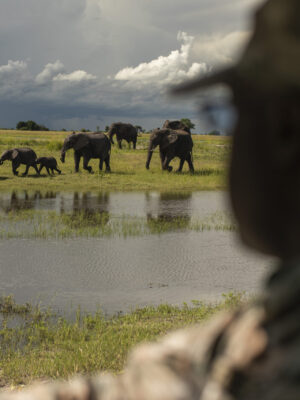
Light, breathable and comfortable clothing, including long sleeved shirts and trousers (please avoid bright colours).
Sunblock
A good mosquito repellant - the spray kind is more convenient to apply
Swimwear for the summer months (most lodges have pools)
A good camera! Most smart phones take excellent photos as well, but cannot zoom in that much.
A hat and sunglasses
Don't forget your personal items - most times the lodges are not close to towns, so shops are not always within reach!
A warm jacket, gloves and "beanie" will be very welcome for winter mornings - morning drives are cold!
Binoculars to spot animals (optional)
If your tour package includes a bush walk, please ensure you have proper closed shoes / sneakers to walk in.
Remember: Luggage limitations for your transfer would be one larger suitcase up to 20kg, and one piece of hand luggage / small backpack.